BY ADMIN . 20 AUG, 2025 . SHOP SETTINGS
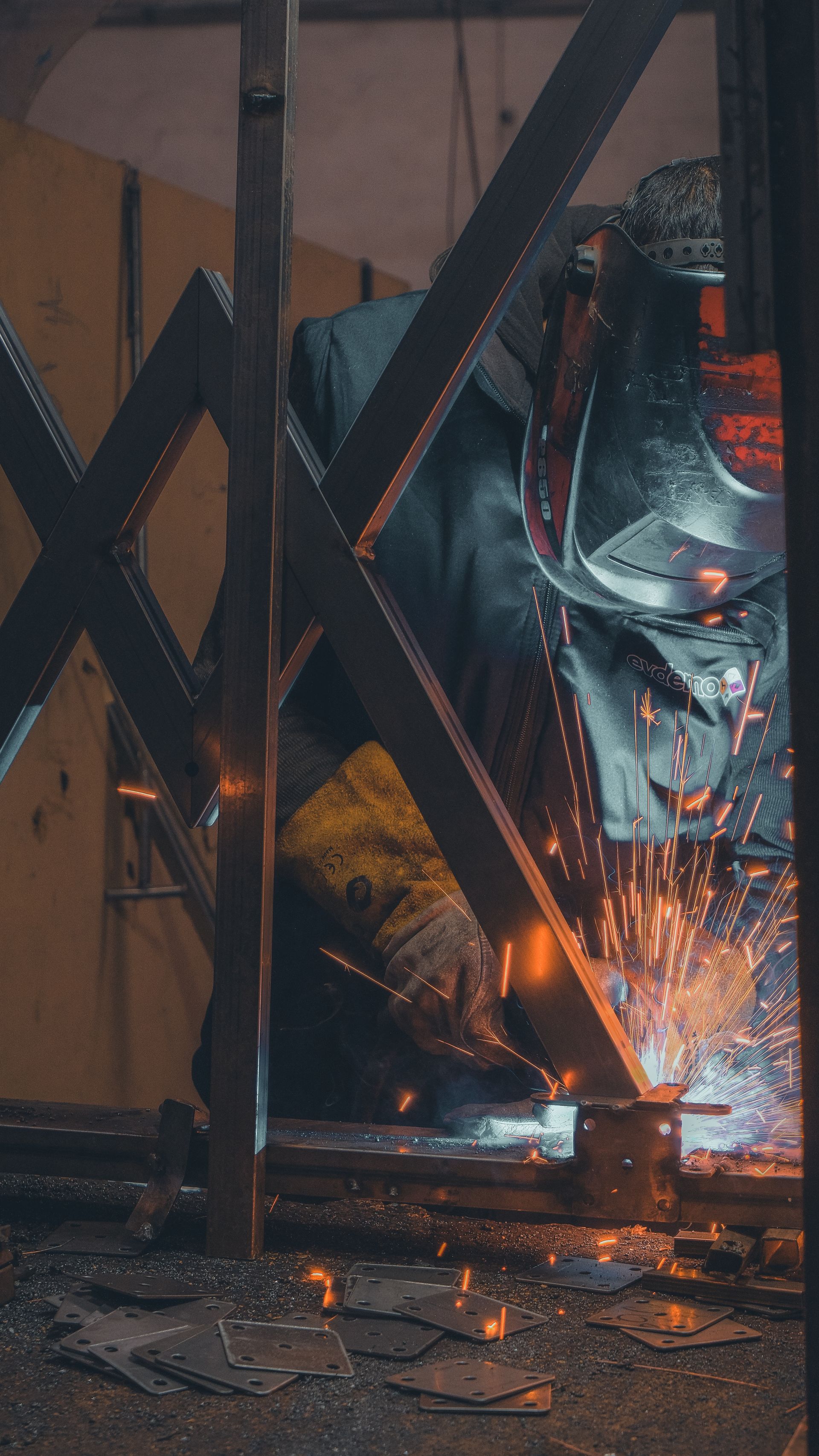
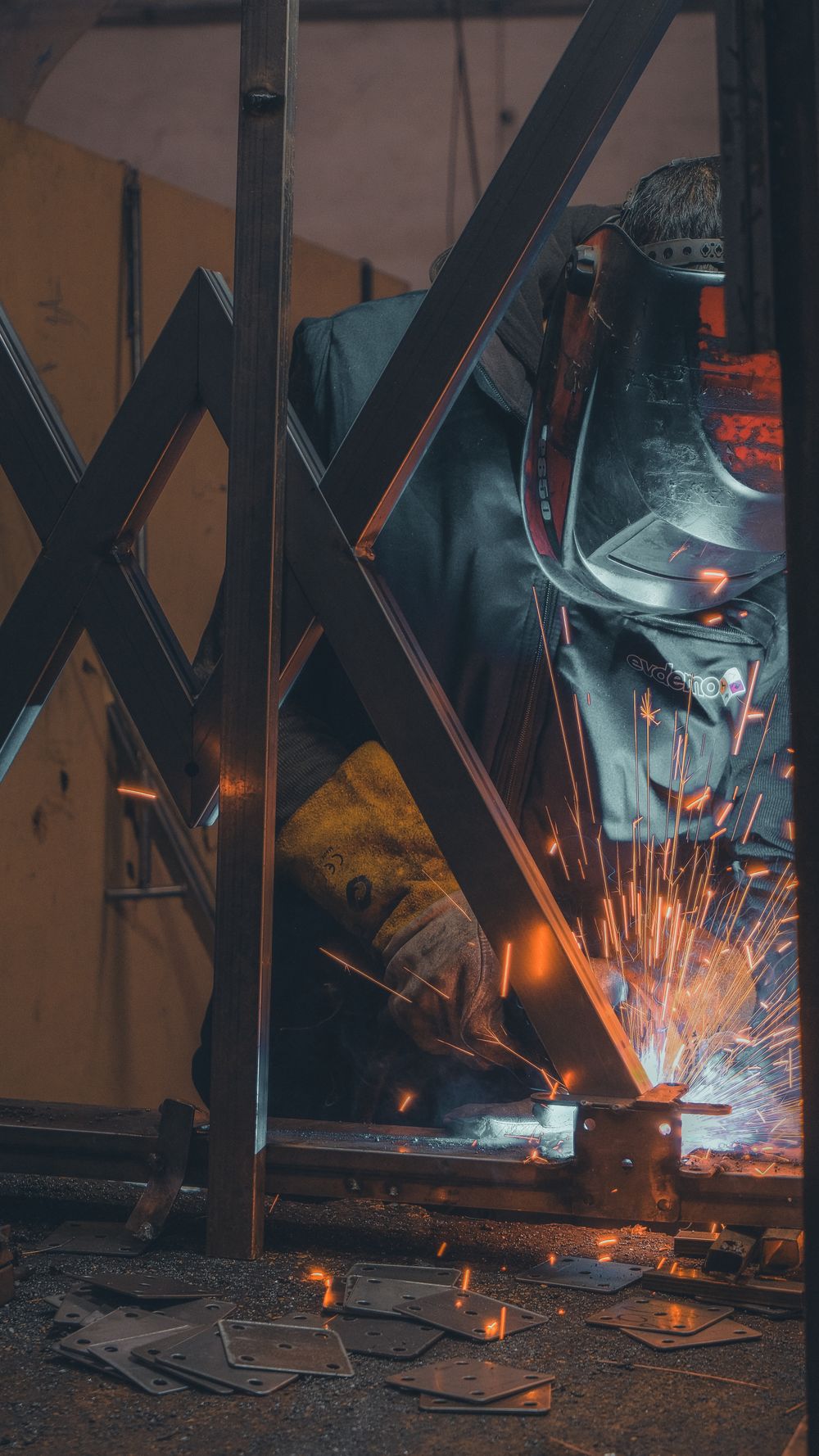
Flip a welder to live and everything gets louder, brighter and less forgiving. The difference between a bead that stacks like dimes and one that spatters across the shop is rarely talent — it is settings. Voltage, wire-feed speed, gas flow and travel angle form a small system, and changing one without the others is how good metal gets ruined.
Our rule of thumb for MIG on mild steel: set voltage for the thickness, then tune wire speed until the arc crackles steady — bacon sizzling, not popcorn popping. Too much wire and the arc stubs and spatters; too little and it burns back toward the tip. Five minutes on scrap saves an hour on the grinder.
“Test on scrap that matches your joint — same thickness, same position. The machine does not know what you are welding; you have to tell it.”
— Christine Eve, Welder
Gas coverage is the silent killer. A breezy doorway or a clogged nozzle pulls atmosphere into the puddle and leaves wormhole porosity you only find at inspection. Indoors we shield the work area; outdoors we switch process instead of fighting the wind — flux-core or stick, no heroics.
Dial-in checklist before production
- Run a test bead on identical scrap in the same position.
- Check gas flow and clean the nozzle and contact tip.
- Lock travel angle and stick-out — then keep them constant.
Settings are only half the job; the other half is a steady hand and honest inspection. If you would rather hand the whole thing to a crew that lives for this, see our steel welding service.

Christine Eve
IronArc TIG and MIG welder. Stainless specialist, settings nerd, zero-porosity devotee.