BY ADMIN . 20 AUG, 2025 . WELDING BASICS
Every welded structure you have ever stood on — the stair rail, the warehouse mezzanine, the gate that swings without sagging — comes down to one moment: molten metal freezing two pieces into one. The arc melts the base metal and the filler together, and when that puddle solidifies, the joint is as strong as the parent steel. When it is done right.
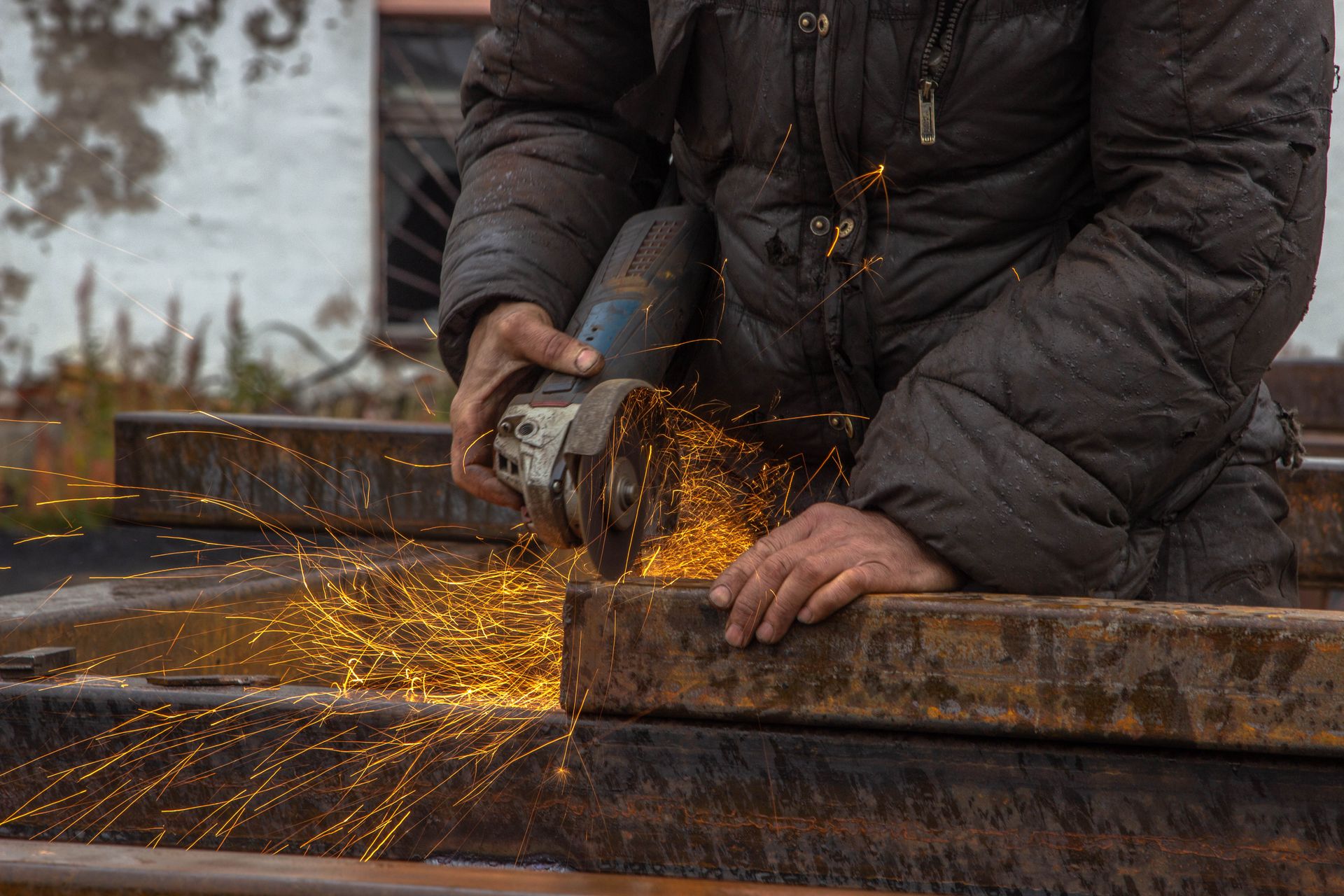
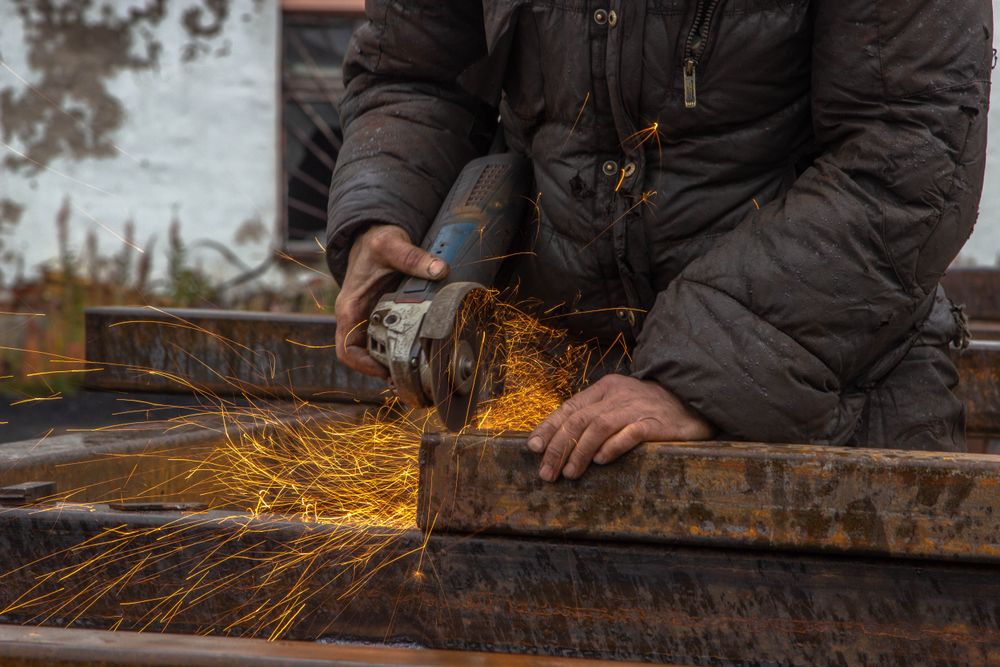
Here is what ten thousand shop hours taught us: the arc gets the glory, but preparation decides the outcome. Mill scale, rust, oil and paint all boil into the puddle as porosity and inclusions — tiny voids that turn a good-looking bead into a weak one. That is why our crew spends more time grinding, beveling and fitting than actually welding.
“Amateurs weld. Professionals prepare, then weld. Ninety percent of a failed joint was decided before the arc was struck.”
— Robert Smith, Co-Founder
Fit-up matters just as much. A root gap that is consistent to a sixteenth of an inch lets the arc penetrate evenly; a wandering gap gives you burn-through on one side and cold lap on the other. Clamps, tack welds and a patient eye with a tape measure are the cheapest insurance in the trade.
Three prep habits worth stealing
- Grind to bright metal at least an inch each side of the joint.
- Bevel thick plate so the weld reaches full penetration.
- Tack, measure, then measure again before the first real pass.
Next time you look at a clean weld, remember: you are admiring the grinding as much as the welding. If your project needs joints an inspector will love, talk to our crew — prep included, always.

Robert Smith
Co-founder of IronArc. Structural welder, inspector-whisperer, 22 years on NYC steel.